Sunday, July 25, 2010

Showy milkweed

Showy milkweed was common in Montana, all over the place, in fact, and I knew it was supposed to be a decent edible plant. However, I'd never actually tried it.


Showy milkweed, Asclepias syriaca


Showy milkweed is around here in New Hampshire, too, though not as common in this area as it was out west. I was out today getting a picture of wintergreen, and on the way back to the car I saw milkweed. The pods looked pretty young, so I picked one. I wasn't sure if I was just going to cut it open and photograph it or what, but by the time I got home, I had decided to try cooking it.

What I've read about milkweed insists that you boil it through multiple waters for like 15 minutes to get all the bitter out. So I set two pots of water to boil on the stove, one for cooking the pod, the other for changing the water bath with more boiling water.


I wound up doing 4 water changes, the last 2 were salted water, and the total cooking time was about 15 minutes. I figured the thing would be mush by the end of that.

Now, to taste it. Euell Gibbons is a fan of liberal butter and salt (also bacon drippings whenever possible). So I put some butter and salt on the thing, and cut it open.


The silk and developing seeds inside were resistant to being cut, very resistant, so I scooped them out and put them to the side, focusing for the moment on the pod.

Fully expecting it to taste foul (surely I couldn't have cooked all the bitter out), I took the first bite. It was neither bitter nor overcooked. In fact, it was delicious. It tasted like corn, but with a completely different texture. I immediately regretted only picking one. :)

So I ate the whole pod, then figured I'd try the silk and seeds, though I doubted that would go well. Surprise again. They tasted every bit as good, with yet another completely different texture. Very chewy. For a long, long time, but not the scratchy sticking in your throat kind of thing I expected from the silks.

It was good, it was ALL good. Highly recommend it, preparation was simple. Also, there are no poisonous species closely resembling this plant, which is always a plus. I suppose the biggest concern is getting the pods before the silk innerds mature too much, but if they do, you can just eat the outter pod.


For a great writeup on milkweed from an edible wild plant expert, check out "Milkweed: A Truly Remarkable Wild Vegetable" on Samuel Thayer's website.

Saturday, July 24, 2010

Hummingbird Moth

I was in western New Hampshire today, visiting my Mom. We were on the back porch when we noticed what looked like a very large bumblebee flitting around the phlox next to us. Only it was sort of rusty orange-red, at least an inch long, and had green coloring to its head. And Martian-style antennae. And a hummingbird-style tail.

Mom thought it might be a hummingbird moth, which I'd never heard of. It acted like a hummingbird, except it wasn't afraid of us at all. After a minute it flew away, but I went out to grab my camera in case it came back, and our stake-out began.

Within the hour, it was back, with a smaller and less colorful companion. By now two friends had responded to my post on Twitter about the thing, both agreeing that it was a hummingbird moth, and with a link to pictures confirming it.

I stayed around the flowers, and the moth kept coming back, so I got dozens of pictures. Of course, it refused to hold still for more than a split second at a time, so dozens of pictures were required.


About an hour into this, I decided to grab some footage with my phone. Hummingbird moth was happy to oblige.


The next time it came back, I reached out to touch it. Not capture it, or hurt it in any way but just to see if it would let me. Which it did, briefly resting its tiny feet on my finger. I could also feel the wind of its wings blowing on my hand. An Avatar moment!

It's really neat when nature reveals something new, as if to say, "You can scarcely grasp what wonders lie within my domain. Did you know about this one?"

Friday, July 23, 2010

Euell Gibbons

Euell Gibbons was the original poster boy for edible wild plants. I loved his book, Stalking the Wild Asparagus, especially the later chapter where he goes on an edible wild foods retreat with another couple. I always dreamed of doing that, and probably will do it sometime with my kids (I'll use the "it's educational" excuse to rope my husband in on it, too).

Gibbons didn't start out wanting to be the spokesman for weed-eaters; I recall reading that he originally wanted to write fiction, but the editors steered him towards writing about this topic instead.


He also once did a Grapenuts commercial. Here it is.


I wish I'd had a chance to meet this guy. He's far more passionate about the subject than I could ever be, and I admire that no end. Together, he and outdoor humorist Patrick F. McManus had a huge influence on my youth.

Sunday, May 2, 2010

iBird for iPhone

Wow, it's been a while since I posted on this blog. :)

I recently purchased iBird for the iPhone (North edition) and I wanted to mention it here because it's a really neat little app. I looked up a few birds that I know are local to us, and it's fun listening to the song audio for those birds, and learning which of them is making the songs we hear every morning.

I saw a bird at the feeder that I didn't recognize yesterday, though, so I decided to try the search feature of the iBird app. I put in the size (small), primary color (brown), and secondary color(red), as well as the frequency with which I saw the bird in our yard. I was very impressed that the app returned a single search result - exactly the bird in question, a house finch.

The other outdoorsy app I have is the Geocaching app (btw, Geocaching just turned 10, happy birthday!). I haven't used this app yet, but I'm really looking forward to getting the kids involved with this hobby. More on that later.

Thursday, July 3, 2008

Plantspotting

This past weekend we were riding around the local bike trails, and I brought my camera to take pictures of any edibles we came across. I haven't had a chance to prepare any of them, but I owed the blog an entry, so at the very least I figured I could add some pictures to the gallery.

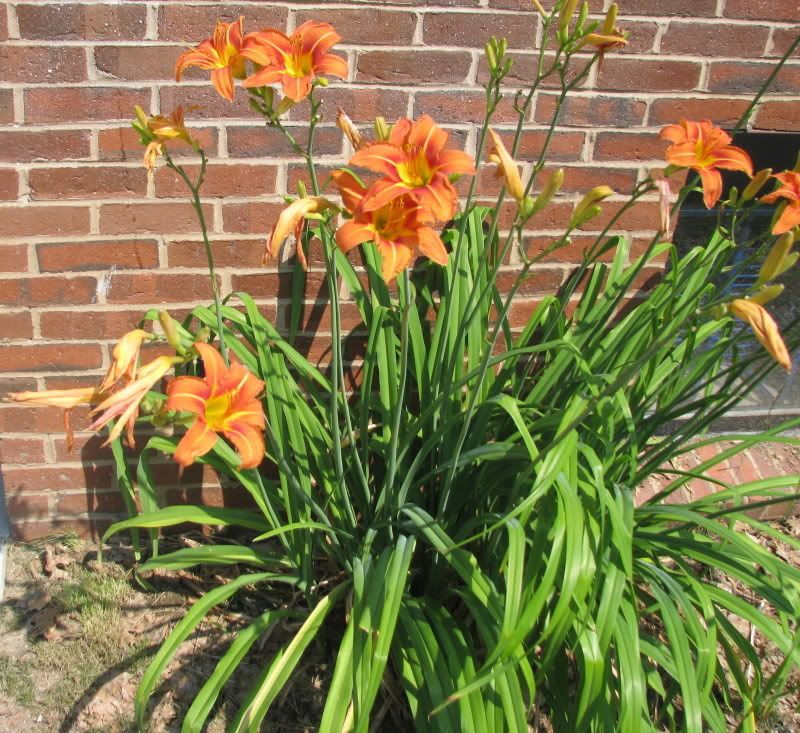
Common daylilyThe first thing I did was take a picture of a common daylily, which I have none of in my yard. It was not difficult to find some; they are ALL over the place, and I plan to obtain some from a nearby vacant lot under cover of darkness. Shhhhh...


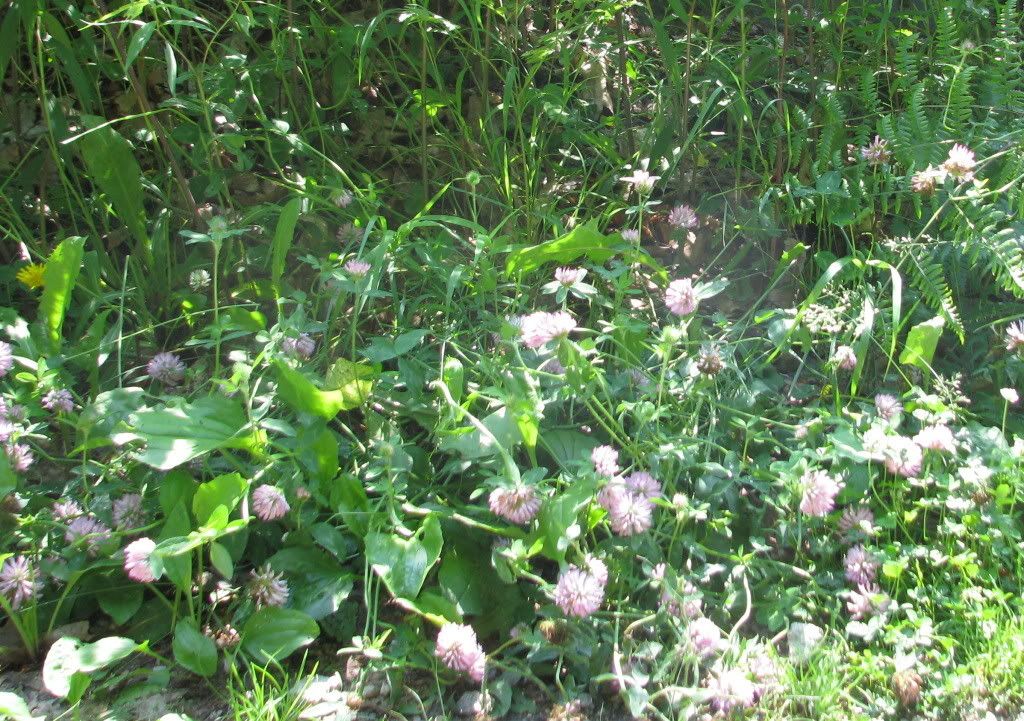
CloverSo I also wound up getting a shot of some sweet clover, and that's a respectable edible. The flowers are sweet and delicious and I used to eat them as a child before I knew anything about edible wild plants.


When we got home, I figured I'd take some shots of our chokecherry tree. Though the fruits are STILL green, it looks like birds or squirrels have already eaten most of them. Which is weird, because there are lots of beautiful ripe wild raspberries mere feet away that they are ignoring. I'm also surprised they had any room left after taking all those strawberries off our hands... So if there are any chokecherries left by the time they ripen, I'll most certainly try making a jam this year.


Chokecherry - leaves and unripe fruit Chokecherry bark


Wednesday, June 11, 2008

Edible Wild Status Report

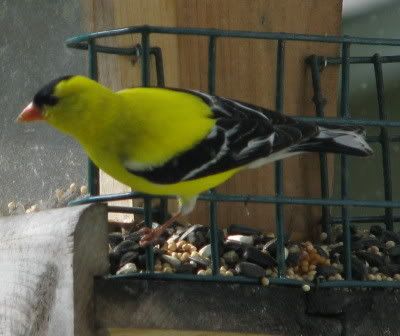
A Goldfinch at our feederLast Saturday I finally grabbed my camera and went out into the backyard to see what edible wild plant images I could capture to get this party started. Since it's also useful to know when you can find this stuff, here are some observations about what's on the scene right now in southern New Hampshire.

First, we're sort of post-peak for the violet and dandilion plants I found in the backyard. There are seeded dandilion flowers already, so the time to make wine would have been about a month ago. The same goes for candied violets, which are a classic English item I've experimented with. I'll post a separate entry on candying flowers in the future.

There's a chokecherry tree in my backyard (or, rather, black cherry according to Elias & Dykeman, but that's just a variation of chokecherry). I didn't photograph it yet because the berries aren't anywhere near ripe, they're just starting to show tiny green fruits.

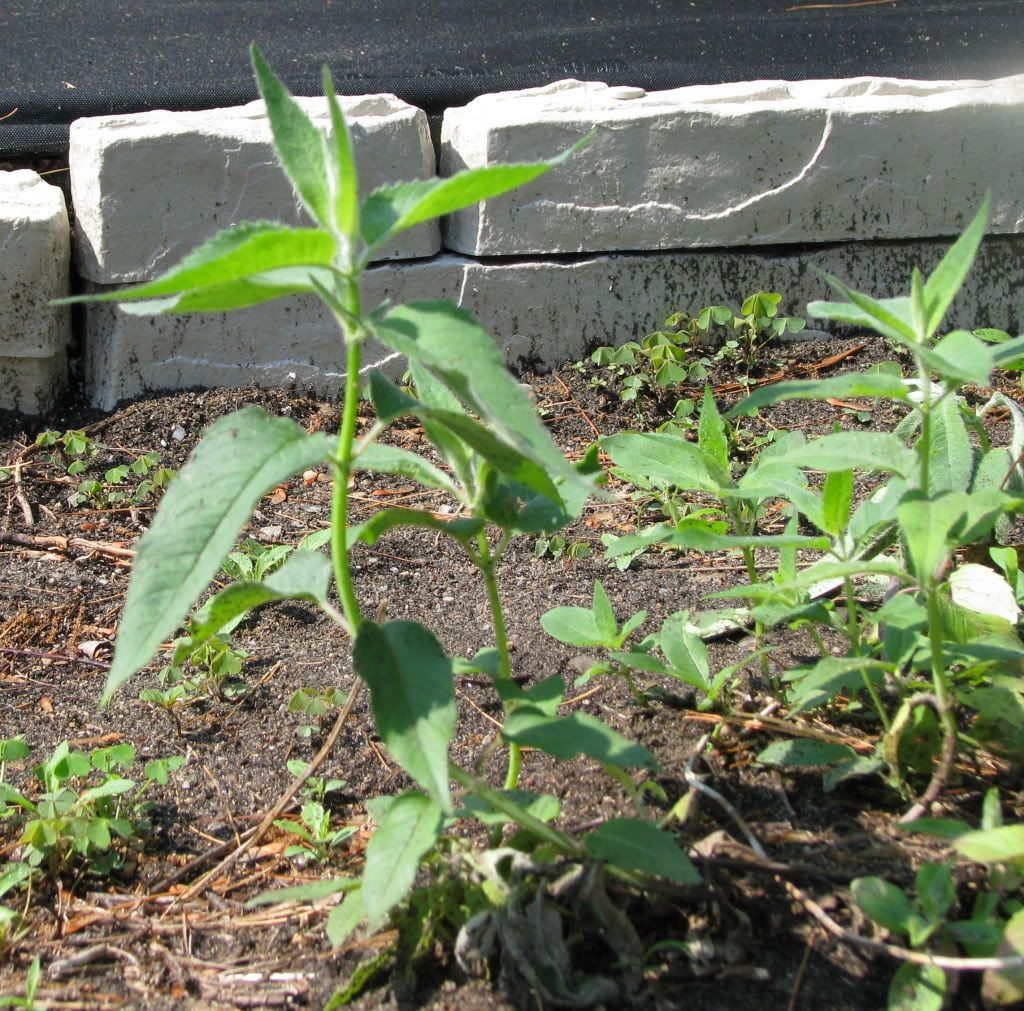
Lamb's QuarterThere are a few lamb's quarter plants about the yard. Lamb's quarter isn't as interesting as the virtuoso dandelion, daylily, or cattail, since basically you just eat the leaves, but it's easily recognized and widespread. I'll cook some up soon, and post a recipe and picture.

I also noticed some variety of mint growing in the area where I'd cleared out a lot of out of control raspberry plants the year before. Mint isn't really a "wild" plant per se, but it's utterly tenacious once it gets a foothold, so if it's ever been planted in the vicinity (probably the previous owners of our house had done so) it'll establish itself with a vengeance. Just look for the tell-tale square stem of the mint family, break a leaf, smell it, and you'll be able to tell if it's a mint. This one's probably catmint, I think. The taste of different mint varieties varies greatly, so always be ready to try them if you come across them.

Mint Family_sm


So other than the daylilies I myself have planted, that's about it for the yard off the top of my head. A little further afield right now, I've been noticing a lot of curly dock (Rumex crispus) on the side of the road next to exit ramps in the Nashua and Manchester areas. Curly dock is one of my favorites, both for it's cool latin name, and for the delicious lemony flavor of its leaves, but you do NOT want to be harvesting curly dock or any other wild edible growing right next to the highway. I'm going to have to find some good vacant lots or abandoned fields for that, as well as a good harvesting location for cattail and reed grass. No doubt the woods are full of wintergreen right now (definitely the leaves, at least), but I haven't been to such a habitat recently. It's on my to-do list!

I've started a gallery for plant pictures, the link's just there to your left. More to come!

Saturday, June 7, 2008

The Dandelion

Taraxacum officinale

DandelilonI figured the common dandelion would be a good starting point in this little chronicle of wild edibles, since even though I haven't done a ton with them in the past, it's one that almost everybody knows on sight, and there's nothing poisonous that looks like them.

The dandelion is a plant that Euell Gibbons was quite fond of. Dandelions are packed with vitamins, and were prescribed for vitamin defficiency-related illnesses before doctors really understood WHY the dandelion always seemed to remedy such maladies.

First-off, if you are going to try wild dandelion, make sure you're not harvesting them in an area where herbicides have been used. The leaves should be gathered in the spring when they are small, before flowers bloom. As the plant matures, you eat the crown (the sort of white base of the leaves, just above the root), the flowers, or the root. The roots can be harvested into the fall.

I just tried my first boiled dandelion root, and I'm rather surprised to say it was good, not even slightly bitter, though a bit woody in the center. The books I'd read recommended 2 water changes and baking soda and other stuff that would in my opinion make one feel that trying a wild edible is more trouble than its worth. I figured I'd try it under more reasonable cooking circumstances. I dug up the very plant you see above, washed it, snipped off a pinkie-sized piece of root, and scraped the outer skin off. I then threw it into about 4 cups of boiling water, with a little salt, and boiled it for about 10 minutes until it was soft. It was gone in 3 bites. It may be the center was woody because of the time of year, but next time I see a bunch of dandelions, I'll absolutely try this again with more of them.

I've seen dandelion greens for sale in some grocery stores now, and the thing about that is, the older, larger leaves of dandilion are the least palatable way to eat a dandelion. They do have that vitamin content, but they are just SO bitter, I can't imagine anybody really liking them. Why would you buy them, anyway, when dandelions are growing wild everywhere you look? Gather the youngest leaves before the plant flowers. Then you can simply toss them into a salad (that's very chique these days), steam them, or boil them like spinach. Salt and butter recommended. Dandelion greens will tend to taste more bitter than regular lettuce, but as you might expect, that's because they are infinitely better for you than regular lettuce.

Gibbons wrote about making dandelion fritters out of the flowers, and I haven't yet tried this, but will do so soon.

The roots can be cleaned, roasted in an oven, and ground up for a coffee substitute (you can do this with chickory too). You can also make dandelion wine from the flowers. I've attempted this, but unsuccessfully. If you're curious what it's like and don't want to go through picking buckets of flowers, you can find dandelion wine commercially.

As I start experimenting with dandelions again, I'll update this entry with more information!

References
Stalking the Wild Asparagus, Euell Gibbons
Field Guide to North American Edible Wild Plants, Thomas Elias & Peter Dykeman